
Gaming has officially gone mainstream, transforming from a niche subculture into a mass-reach media channel with a diverse audience and undeniable cultural influence.
On November 19th, the 4As hosted the third annual Gaming Day, in partnership with Activision Blizzard Media at the Microsoft office in NYC. This event brought advertisers and industry leaders together to discuss the continually evolving landscape of gaming as a mass-reach media channel. Throughout the day, speakers explored how to move beyond outdated audience stereotypes, design authentic and non-disruptive brand experiences, leverage AI for creative innovation, and implement the “People First” approach with measurement frameworks that drive real business impact.
Key Takeaways for Marketers & Brands
- Gaming is Mass Media and Audience is Diverse:
- Gaming now reaches a multibillion-person audience spanning all demographics; the “young male gamer” stereotype is inaccurate.
- Marketers should shift from focusing on “Gamers” to thinking about broader audience profiles and integrating gaming as one facet of holistic consumer behavior.
- The biggest risk for brands is inaction and missing this growing, highly engaged audience.
- Authentic and Respectful Engagement is Critical:
- Gaming is a high-attention, active environment, making intrusive advertising highly disruptive.
- Advertising must be additive, well-integrated, and align with the psychology of active play, prioritizing the gameplay experience above advertising objectives.
- Brands must show up authentically and collaborate with developers and creators to enhance or complement the game. Rewarded ad formats are consistently effective because they respect player time and attention.
- Measurement and Simplicity are Barriers and Opportunities:
- The industry must simplify the buying experience, making gaming inventory accessible, consistent, and scalable like other major media channels, to unlock advertising budgets.
- Measurement is essential for growth, but current standards are often inconsistent and fragmented.
- Marketers need to demand and provide reliable measurement that goes beyond vanity metrics to focus on brand lift, outcomes, and business impact.
- Use custom, tangible KPIs and translate gaming-specific metrics into terms familiar to CMOs and traditional marketing frameworks (e.g., brand lift, conversion).
- Strategic Approach and Innovation:
- Brands should adopt a “Crawl, Walk, Run” approach: start with small, measurable experiments (like rewarded video) before scaling up to high-risk activations.
- AI is transforming development by automating repetitive tasks, which is expected to lower production barriers and accelerate the creation of branded virtual worlds and experiences.
- Recognize that the term “Player First” is better thought of as “People First,” aligning creative with players’ motivations, moods, and holistic behaviors.
ABM Keynote: Gaming Is Mass Media – Reframing the Space
- Jonathan Stringfield, VP Global Business Strategy, Analytics & Trust at Microsoft Advertising, Microsoft Advertising
- Philip Stelter (MC), SVP, Holding Company Memberships – Member Engagement & Development, 4As
The discussion focused on how gaming has evolved into a central, mass-reach media channel and what this shift means for marketers, advertisers, and game developers. The speakers explored the growth in scale and demographic diversity of players, the increasing accessibility of gaming technology, and the broader cultural influence of gaming IP. They also examined how AI is transforming game development, how brands can authentically participate in game environments, and why measurement standards are critical to unlock real advertising investment.
Across the conversation, they reframed gaming not as a niche subculture but as a mainstream, multi-platform, highly engaged environment with massive opportunities, if the industry simplifies access, protects the gameplay experience, and builds credible measurement systems.
Key Themes
- Gaming Has Become Mass Media
- Gaming is no longer a subculture; it is a mainstream, central entertainment format with global scale.
- Generations raised on games now treat gaming as native media, not as a hobby or niche.
- Mobile access and more accessible game design have dramatically widened the audience.
- A Diverse and Representative Player Base
- The stereotypical “young male gamer” is no longer accurate.
- With billions of players, demographics now mirror the general consumer population.
- Age, gender, and behavioral diversity have expanded, requiring marketers to rethink who “gamers” actually are.
- The term “gamer” can be limiting, and can reinforce outdated assumptions about audience identity.
- Cross-Platform Ecosystems Open New Marketing Paths
- Modern gaming spans console, PC, mobile, and cloud environments.
- With ecosystems like Microsoft’s, marketers can reach players across modalities, not only within games but around them.
- The biggest barrier for advertisers is fragmentation: buying gaming inventory is often complicated and siloed.
- Industry progress must focus on making gaming easy, scalable, and natural to buy.
- AI’s Transformative Impact on Development and Content Creation
- AI is most valuable as an augmentation tool, not a replacement for human creativity.
- By automating repetitive tasks (e.g., textures, variations, assets), AI can reduce production costs.
- Lower costs raise the ceiling for creative experimentation.
- For marketers, AI may soon enable easier creation of branded virtual worlds, experiences, and assets.
- Authentic, Immersive Brand Experiences Matter
- Gaming is an active, high-attention environment, very different from passive media.
- Because attention is so focused, bad advertising experiences are more disruptive than in traditional media.
- The gameplay experience must be prioritized above any advertising objective.
- Successful activations work with creators and publishers, and ideally enhance or complement gameplay.
- Measurement Is Essential for Growth
- Advertisers need proven, reliable measurement before shifting meaningful budgets.
- Gaming isn’t inherently unmeasurable. The issue is inconsistent standards across platforms.
- Measurement must go beyond vanity metrics to focus on brand perception, lift, outcomes, and business impact.
- New channels can feel risky unless the industry provides measurement continuity with the rest of the media ecosystem.
Key Takeaways for Marketers & Brands
- Gaming = Reach + Engagement at Cultural Scale
- A multibillion-person audience, spanning all demographics, interacting with deeply immersive content.
- Engage With Respect for the Gameplay
- Advertising must be additive, well-integrated, and aligned with the psychology of active play.
- Simplify the Buying Experience
- To fully unlock budgets, platforms must make gaming inventory accessible, consistent, and scalable, similar to other major media channels.
- AI Will Accelerate Content Creation and Accessibility
- Expect faster, more flexible branded experiences, richer worlds, and potentially lower production barriers.
- Demand (and Provide) Real Measurement
- Proving value is the path to sustained investment. Successful gaming campaigns require measurement frameworks that marketers trust.
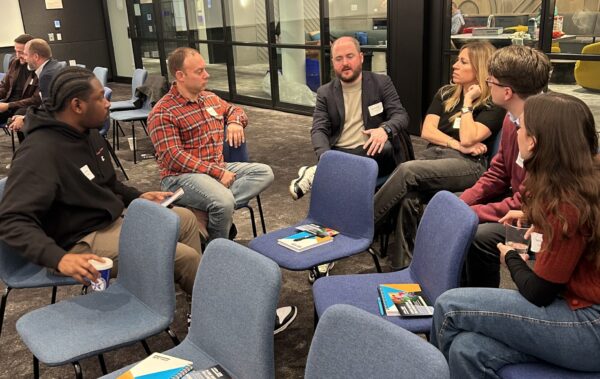
Solving Brand Problems with Gaming
- Alessia Grosso, Head of Product & Strategy, Havas Play
- Albert Thompson, Director, Digital Innovation, Walton Isaacson
- Ryan Miller (MC), Director, Partnerships, IPG Media Lab
As gaming continues its rise as one of the most immersive and culturally influential media channels, marketers are exploring how it can be used to solve real brand challenges. Panelists discussed strategies that move beyond novelty to drive awareness, consideration, loyalty, conversion, and cultural relevance.
The discussion focused on how gaming is now a central, mass-reach media channel and what this shift means for marketers, advertisers, and game developers. Speakers explored the growing scale and demographic diversity of players, the increasing accessibility of gaming technology, and the broad cultural influence of gaming IP. They examined how AI is transforming game development, how brands can authentically participate in gaming environments, and why credible measurement standards are critical to unlocking advertising investment.
Overall, the conversation reframed gaming not as a niche subculture but as a mainstream, multi-platform, highly engaged environment with massive opportunities, if the industry simplifies access, protects the gameplay experience, and builds trustworthy measurement systems.
Key Themes
- Gaming is a mainstream, multi-platform media channel with mass reach.
- Brands must engage authentically within gaming environments to resonate with players.
- AI is shaping game development and creative possibilities.
- Measurement and standardized metrics are critical to unlock advertising investment.
- Accessibility and protection of the gameplay experience are essential for sustained engagement.
Key Takeaways
- Gaming is no longer niche; it represents a significant marketing opportunity across multiple objectives.
- Successful brand integration requires understanding player behavior and cultural context.
- Reliable measurement frameworks enable marketers to justify and optimize gaming investments.
Track 1: Audience & Platform Strategy
Title: One Size Doesn’t Fit All: Platform Nuance in Gaming
- Josh Knapp, SVP, Client Partnerships, Super League
- Albert Thompson, Director, Digital Innovation, Walton Isaacson
This session explored two core areas: where resistance to growth persists in the gaming space and how audiences are currently understood and activated. Participants discussed both structural barriers and strategic opportunities, emphasizing the need for clearer frameworks and more nuanced audience insights.
Key Themes
- Don’t Sell to Gamers, Sell to the Audience Gaming engagement is broad and diverse. The term “gamer” can be limiting and carries stigma for some marketers. The opportunity lies in understanding audiences holistically, not defining them solely by gaming behavior.
- Comfort With Linear and MMM, But Not With Proof in Gaming Marketers are used to establish measurement frameworks. Gaming still lacks universally accepted proof points, contributing to slower adoption.
- A Push–Pull Around Innovation Teams want to be first, but also don’t want to be first. Gaming is seen as an innovation space, which can create internal hesitation.
- Economic Pressures Influence Investment Challenging economic environments make emerging channels harder to justify despite their long-term strategic value.
- Leadership Understanding Varies Some CMOs may not fully grasp gaming’s scale or cultural influence, creating internal friction.
- Ecosystem Complexity and Measurement Perceptions The gaming landscape is multifaceted, and persistent misperceptions around measurement create additional barriers.
Audiences: Opportunities for Deeper Understanding Participants emphasized that gaming audiences are far more nuanced than traditional segmentation suggests.
Key Takeaways for Marketers & Brands
- Shift from “Gamers” to Broader Audience Thinking
- Avoid limiting campaigns to the label of “gamer.” Treat gaming as one facet of a larger audience profile to unlock more meaningful engagement opportunities.
- Develop Nuanced Audience Frameworks
- Move beyond simplistic categories like “hardcore” or “casual.” Consider motivations, cultural context, co-play behavior, and psychographics to create more actionable segments.
- Invest in Measurement and Proof Points
- While marketers are comfortable with linear and MMM frameworks, gaming lacks standard proof points. Prioritize developing metrics and case studies that demonstrate ROI and effectiveness.
- Balance Innovation with Internal Readiness
- Recognize the tension between wanting to be first in gaming innovation and internal hesitation. Clearer frameworks and education can help leadership understand the channel’s potential.
- Consider Economic Context in Strategy
- Emerging channels like gaming may face budget scrutiny during economic pressure. Position gaming campaigns in terms of long-term brand value and strategic growth, not just immediate ROI.
- Leverage Holistic Consumer Insights
- Gaming engagement should be viewed as part of broader human behaviors and interests. Integrate gaming insights with broader lifestyle and cultural understanding to craft campaigns that resonate.
- Advocate for Better Platform Data
- Push for more granular audience segmentation from platforms. Actionable insights are key to activating campaigns effectively across diverse gaming experiences.
Track 2: Designing Impactful Experiences
Title: From Playables to Interactive End Cards.
- Justin Stefanovic, Executive Vice President of Global Partnerships, Misfits
- Christina Alfaro, Associate Director of Sales, Activision Blizzard
This session explored what it takes for brands to design meaningful, non-disruptive experiences in gaming environments. The speakers emphasized that gamers are highly vocal, highly attentive consumers, and brands must earn their way into gameplay by adding value rather than interrupting it. Successful activations require authenticity, collaboration with creators, respect for the gaming experience, and a clear understanding of player motivations and behaviors.
While the industry often focuses on being “player first,” the speakers argued that brands should think more broadly in terms of “people first, ”aligning creative with what players are doing, feeling, and expecting across different types of games. Case studies highlighted both successes and missteps, illustrating how the right approach can turn a campaign into a cultural win, while the wrong one can alienate an audience. Ultimately, the message was clear: brands can thrive in gaming if they show up thoughtfully, experiment confidently, and meet audiences where they are.
Key Themes
- “Player First” Really Means “People First”
- Gamers are sophisticated consumers who expect authenticity.
- Messaging must show understanding of the individual creator, gamer, and community.
- “Player first” can be limiting—brands should think about people holistically, including behaviors, moods, and motivations while playing.
- The goal is to be additive, not intrusive.
- Authenticity Is Non-Negotiable
- Gamers are vocal and quick to identify inauthentic or disruptive brand behavior.
- Casual gaming is often a more forgiving entry point for brands compared to competitive or esports environments.
- Creative must be tailored to gaming culture—not just repurposed from other channels.
- Gaming Is Fragmented; There Is No One-Size-Fits-All Approach
- The space spans casual to hardcore, mobile to console, indie to AAA.
- Brands must define their end goal and choose environments and creative formats that align with it.
- Developers and creators should be collaborators, not afterthoughts—inviting audiences into the development process can strengthen trust and relevance.
- Meeting Consumers Where They Are Drives Impact
- Instead of worrying excessively about offending players, brands should focus on connecting with them.
- It’s more damaging to waste players’ time than to risk a creative idea.
- Rewarded video continues to be a valuable channel because it aligns incentives and respects player time and attention.
- Practical Lessons From Campaigns
- Bud Light All-Stars:
-
- Initial plan failed due to publisher restrictions and forced fit in esports.
- Reinforced that brands must understand the environment, not push into spaces that don’t align.
- Beetlejuice x Roblox:
- Example of an activation that integrated content, commerce, and fandom.
- Building an immersive world and allowing players to buy movie tickets directly in-platform connected experience to real-world outcomes.
Key Takeaways for Marketers & Brands
- Show Up Authentically and Add Value
- Avoid disruption, respect the gameplay experience, and design creative that fits naturally within the environment.
- Think People First, Not Just Players
- Consider player moods, motivations, and behaviors across genres and contexts—different games require different creative strategies.
- Collaborate With Creators and Communities
- Opening the door to co-creation can build credibility and strengthen a campaign’s cultural relevance.
- Avoid Over-Caution
- Brands often fear offending gamers, but audiences mainly want relevance and respect—not perfection.
Being too cautious leads to wasted opportunities and ineffective creative. - Embrace Rewarded Ad Formats
- Rewarded video is a consistently effective way to deliver value, improve engagement, and reach gamers where they naturally spend time.
Track 3: Measurement & Media Planning
Title: Proving It Works: The Metrics That Matter in Gaming
- Tara Foulkrod, Data Architect, Vladimir Jones
- Claire Nance, Head of Global Gaming Business Success Strategy, Activision Blizzard
This session explored the challenges and opportunities of measuring the impact of gaming as a marketing channel. Panelists discussed how gaming can drive engagement, brand awareness, and conversions, but measurement frameworks are still evolving. The conversation highlighted the importance of creating clear, actionable metrics to demonstrate ROI to clients, especially for immersive experiences and virtual activations. Examples included campaigns like Prada Candy in Candy Crush, KFC’s dating sim activation, and Roblox activations, where measurement of engagement, conversions, and incremental reach helped illustrate value.
Key Themes
- Measurement Challenges in Gaming
- Traditional metrics like impressions or CTR often do not translate directly to gaming environments.
- Measurement is easier in mobile or more structured gaming platforms; virtual worlds present more complexity.
- Gaming requires new frameworks for engagement, attention, and ROI beyond standard digital metrics.
- Importance of Custom Metrics (“Magic Metrics”)
- Campaigns benefit from creating simple, easily quantifiable outcomes, e.g., units moved, samples redeemed, or downloads.
- Custom metrics make it easier to communicate success internally and externally.
- Audience Understanding & Segmentation
- Beyond engagement numbers, knowing the composition, behavior, and context of the audience is critical.
- Unexpected audience cohorts can emerge, providing opportunities for new activations.
- Integration with Overall Media Mix
- Gaming should be considered as part of a holistic campaign strategy, not siloed.
- Incremental reach and media mix impact can be significant, e.g., adding Roblox to Snapchat campaigns increased ad recall by 292%.
- Bridging the Gap with Traditional Marketing Metrics
- For some clients, ROI still needs to be expressed in familiar terms such as conversion, impressions, or brand lift.
- Aligning gaming metrics with traditional frameworks helps communicate value to stakeholders unfamiliar with gaming.
Key Takeaways for Marketers & Brands
- Define Clear Objectives Upfront
- Establish what success looks like before activation: awareness, engagement, conversion, or brand lift.
- Match the type of gaming engagement (mobile, console, immersive world) to objectives and audience.
- Leverage Custom Metrics
- When possible, create bespoke, tangible KPIs (“magic metrics”) to clearly demonstrate campaign results.
- Examples: redemption of in-game samples, downloads, virtual product engagement, or time spent in immersive experiences.
- Understand Audience Behavior
- Look beyond volume metrics to who is engaging, how, and why.
- Unexpected high-performing segments may reveal new opportunities.
- Integrate Gaming Into Broader Campaigns
- Consider gaming as part of a multi-channel strategy rather than a standalone tactic.
- Highlight incremental reach and cross-channel impact to demonstrate unique value.
- Communicate ROI in Familiar Terms
- Translate gaming-specific metrics into language that resonates with CMOs and clients.
- Combine innovative engagement measures with traditional metrics like brand lift or sales to justify investment.
- Experiment and Iterate
- Emerging technologies (eye-tracking, immersive analytics) can provide deeper insights but are still developing.
- Use early campaigns to test measurement approaches and refine future activations.
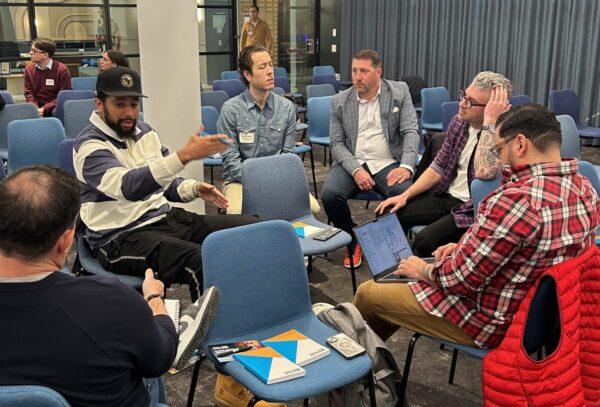
Press Start: How Brands Win When They Play for Real
- Josh Knapp, Director, Partnerships, Super League
- Justin Stefanovic, Executive Vice President of Global Partnerships, Misfits
- David Bluver, Vice President of Sales North America, Livewire
- Tara Foulkrod (MC), Data Architect, Vladimir Jones
This session explored how brands can effectively engage in the gaming space by creating authentic, purposeful, and immersive experiences. Panelists emphasized that gaming is no longer a niche hobby; it’s a mainstream form of entertainment where audiences actively engage with content. Brands succeed when they integrate into the gaming ecosystem in ways that are complementary, rewarding, and aligned with their marketing goals. Rather than forcing a logo or traditional ad, success comes from understanding player behavior, speaking the right cultural and gaming language, and testing small initiatives before scaling.
Key Themes
- Authenticity and Purpose:
- Gaming audiences (or “players”) respond positively when brand activations are relevant, respectful, and add value.
- Successful campaigns are intentional, goal-driven, and integrated into the gaming experience rather than intrusive.
- Crawl, Walk, Run Approach:
- Brands should start with small, measurable experiments, like rewarded video ads, before investing in large-scale or high-risk activations.
- Incremental engagement helps marketers learn the space and optimize campaigns.
- Audience Understanding:
- Players are savvy, diverse, and span multiple demographics; gaming engagement is defined by interests, not age or stereotypes.
- Understanding where the audience spends time, and which platform aligns with the brand’s goals, is essential.
- Engagement Over Passive Impressions:
- Gaming provides long-form engagement that is deeper than traditional digital or social media impressions.
- Players actively interact with brands, creating opportunities for meaningful brand connections.
- Integration with Culture and Pop Culture Crossovers:
- Collaborations with sports, music, or film can enhance authenticity and broaden appeal.
- Gaming campaigns can capitalize on trends and existing fan communities to amplify brand relevance.
- Risk vs. Opportunity:
- The biggest risk is inaction; brands that delay entering gaming risk missing a growing, highly engaged audience.
- Proper planning and understanding of the ecosystem mitigate brand safety and execution risks.
Key Takeaways for Marketers & Brands
- Gaming is mainstream. Don’t underestimate its audience or cultural influence.
- Start small, measure impact, and scale thoughtfully.
- Focus on creating value and rewarding interactions rather than pushing overt branding.
- Engage players in their language and context; honesty and transparency matter.
- Identify platforms that align with your marketing objectives (awareness, conversion, engagement).
- Consider cultural crossovers and partnerships to enhance reach and resonance.
- Time spent with your brand in gaming is a high-value commodity; design experiences that capitalize on that engagement.
- Education within teams is key: marketers need to recognize their audiences as players and think creatively about integration.
Related Courses

Industry | Agency Spotlight: Gravta and Rion Swartz Consulting
Login to access member-exclusive content Not a 4As member yet? Don’t miss out. Learn more about joining a growing community of 600+ forward-thinking member agencies. Log In Join

Spark Session: Super Bowl Edition
Login to access member-exclusive content Not a 4As member yet? Don’t miss out. Learn more about joining a growing community of 600+ forward-thinking member agencies. Log In Join

If ChatGPT Doesn’t Know You Exist, Do You? How Pigeon Forge Conquered AI Search
How to Get Your Brand Recommended by AI: A Pigeon Forge Case Study The search bar is changing. Today’s travelers and shoppers aren’t just looking for links; they’re asking ChatGPT, Gemini, and Perplexity for direct recommendations. If your brand isn’t part of that AI-generated conversation, you’re effectively invisible to a massive wave of “AI-first” consumers….