Automating entry-level roles risks a hollowed-out middle management, lost cultural fluency and agency leadership crisis.
The widespread use of AI to automate basic tasks has triggered an entry-level talent crisis. While senior agency leaders increasingly rely on automation to streamline baseline tasks, traditional early-career hiring paths have stalled, systematically squeezing out junior talent.
The numbers reveal exactly how aggressively the ground is shifting. According to a recent survey from Sunup of senior U.S. agency leaders, 57% said they have already slowed or paused entry-level hiring. In addition, Forrester forecasts that U.S. ad agencies will automate 7.5% of jobs by 2030, expecting entry-level positions to absorb most of the impact.
This hiring slowdown puts our fragile advertising agency ecosystem at risk by hollowing out its very foundation, leaving leadership unprepared for a looming talent deficit.
Squeezing Out the Future
When agencies turn away from emerging talent, they are diminishing their own capacity to innovate, compete and grow. The decision to forgo investment in the next generation is, ultimately, a decision to underinvest in the industry’s own future. When organizations look at incoming new hires purely as short-term financial overhead to manage during budget cuts, they lose sight of the long-term workforce strategy required for business survival.
This retreat raises a fundamental question for the sector. Does the advertising industry believe in itself enough to invest in its own future?
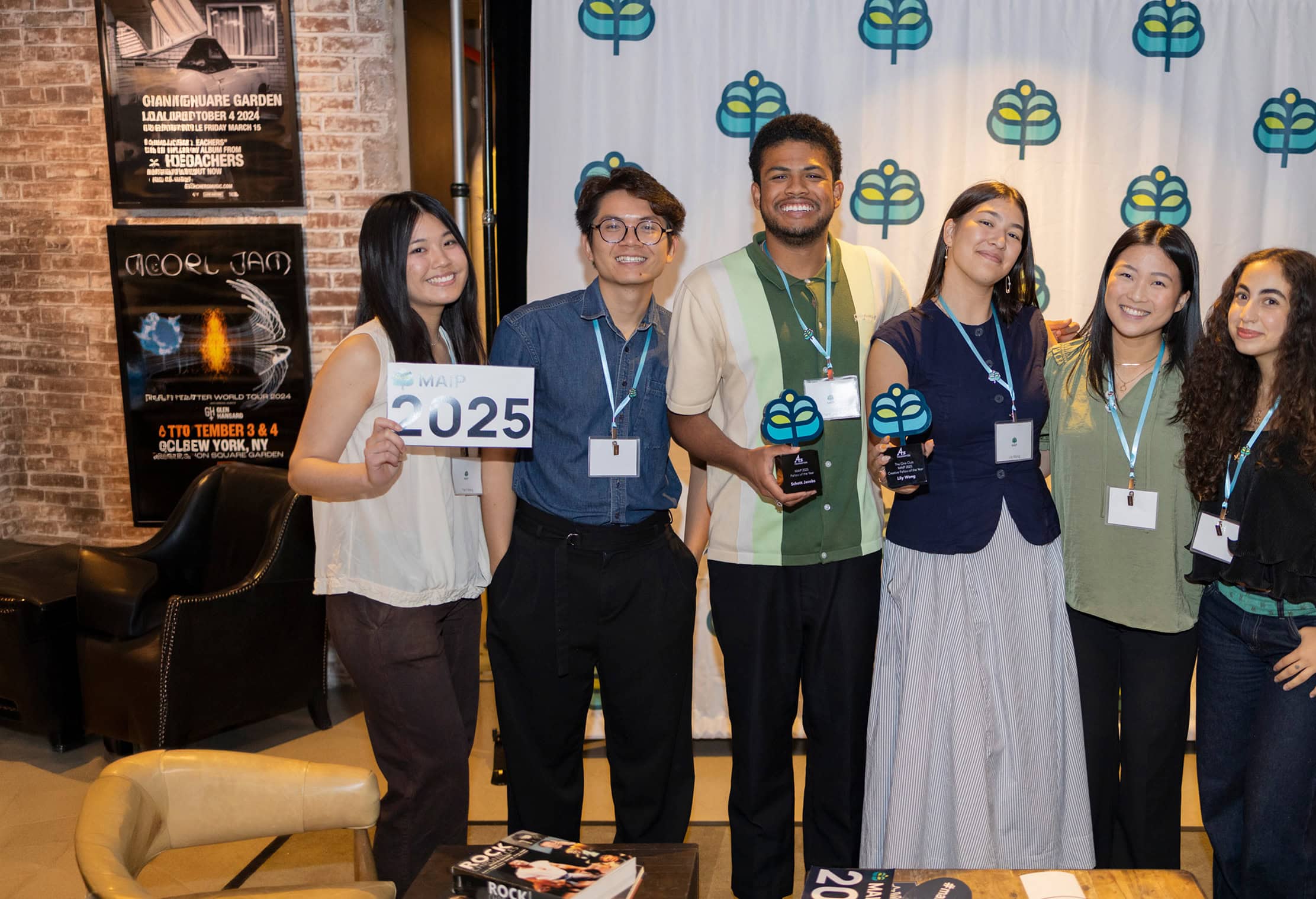
Perhaps the clearest signal comes from the 4As Foundation’s Multicultural Advertising Intern Program (MAIP). For the first time in the program’s 53-year history, brands and non-agency member organizations hired 51.4% of its fellows, rather than agencies themselves. This is a significant shift at traditional agencies and a direct consequence of the massive scaling up of corporate in-house teams. According to the Association of National Advertisers (ANA), a staggering 82% of marketers now operate their own in-house agency capabilities.
The Collapse of the Apprenticeship Model
To save the pipeline, we have to go back to the future. Historically, agencies relied heavily on an apprenticeship model where junior employees developed market and audience understanding, creative taste, judgment and client leadership skills by watching decisions get made in real time.
Former DDB New York CEO Caroline Winterton recently noted that hybrid work, flatter teams and margin pressures have “quietly killed the apprenticeship model,” warning that if we do not replace it intentionally, we will inherit leaders who know tools but lack taste and people skills.
She is entirely correct, and the risk cannot be overstated. We are already seeing the warning signs: Overstretched mid-level leaders lack the day-to-day support to effectively guide junior staff, creating a high-burnout environment that young talent has no desire to emulate. If we eliminate the entry layer of the business, we remove the exact training ground where future leaders learn the business and nurture their desire to be leaders of the future. We cannot build an industry of practitioners who understand the mechanics of software but lack the strategic nuance required to drive genuine business and brand growth.
The Threat: An Industry of Non-Inclusive Teams
When agencies pause or eliminate entry-level hiring, they are building an industry of non-inclusive teams. Early-career roles remain the primary gateway through which underrepresented talent enters the creative industries, and closing that door has profound consequences for long-term market relevance.
As that doorway shrinks, every level of leadership that follows becomes less representative of the audiences brands are trying to reach. Over time, the industry loses cultural fluency, fresh perspective and ultimately its ability to create work that resonates in an increasingly diverse marketplace. If you don’t believe me, take a tour of advertising up until the ’90s.
The market is already rewarding those who have that expertise. As agencies retreat from investing in diverse early-career talent, they create a vacuum that the creator economy is rapidly filling. The next generation of culturally fluent storytellers are building audiences, influence and businesses elsewhere. Every dollar brands shift toward creators who authentically understand their communities is proof that cultural insight is business currency. Agencies that fail to invest in representative talent pipelines will lose relevance, creative authority and an increasing share of the work itself.
From Button-pushers to Strategic Architects
To survive this disruption, the industry must fundamentally redefine what an entry-level professional looks like in an AI-enabled landscape.
Chad Maxwell, president of KSM Media, accurately frames this shift, noting that we are in a “critical thinking race, not an arms and a tool and a technology race alone.” He argues that the real opportunity for junior talent is to move away from being myopic “button pushers” and learn how the pieces of a marketing problem connect.
Rather than training a junior employee to look at a single platform or spreadsheet in isolation, upskilling programs must teach them to connect the dots across strategy, creativity, analytics and automated systems. Junior thinkers must learn how to frame complex problems, manage human-machine hybrids and apply discernment to automated outputs.
Redefining the Infrastructure for Growth
John Lods, CEO of Arm Candy, offers a direct challenge to the industry on this front, stating that if you believe associates can be fully automated by AI, it is usually a result of turning them into taskmasters rather than strategic thinkers. He views the choice as one between short-term quarterly gains and the long-term career development of future leaders.
Structured upskilling initiatives and intentional internships are essential structural infrastructure. These frameworks must exist to fast-track real-time learning, cultivate mentorship within leaner environments and build the deep critical-thinking skills that academic environments are not currently providing. By focusing instead on strategic readiness, cultural insight and platform fluency, modern talent programs ensure that young professionals can bring the exact innovative perspectives that brands require to stay competitive.
By intentionally investing in comprehensive upskilling programs and talent communities such as MAIP and “I’m New Here,” we do more than fill seats. We transform junior talent from easily automated task-executors into the irreplaceable drivers of human ingenuity we need to lead the next era of advertising. AI won’t kill the agency business. Starving the talent pipeline will.

Sylvia Banderas Coffinet is the EVP of people, talent and upskilling at the 4As. Coffinet also oversees the 4As Foundation, the nonprofit arm of the 4As.