Bright Spots Worth Acting On
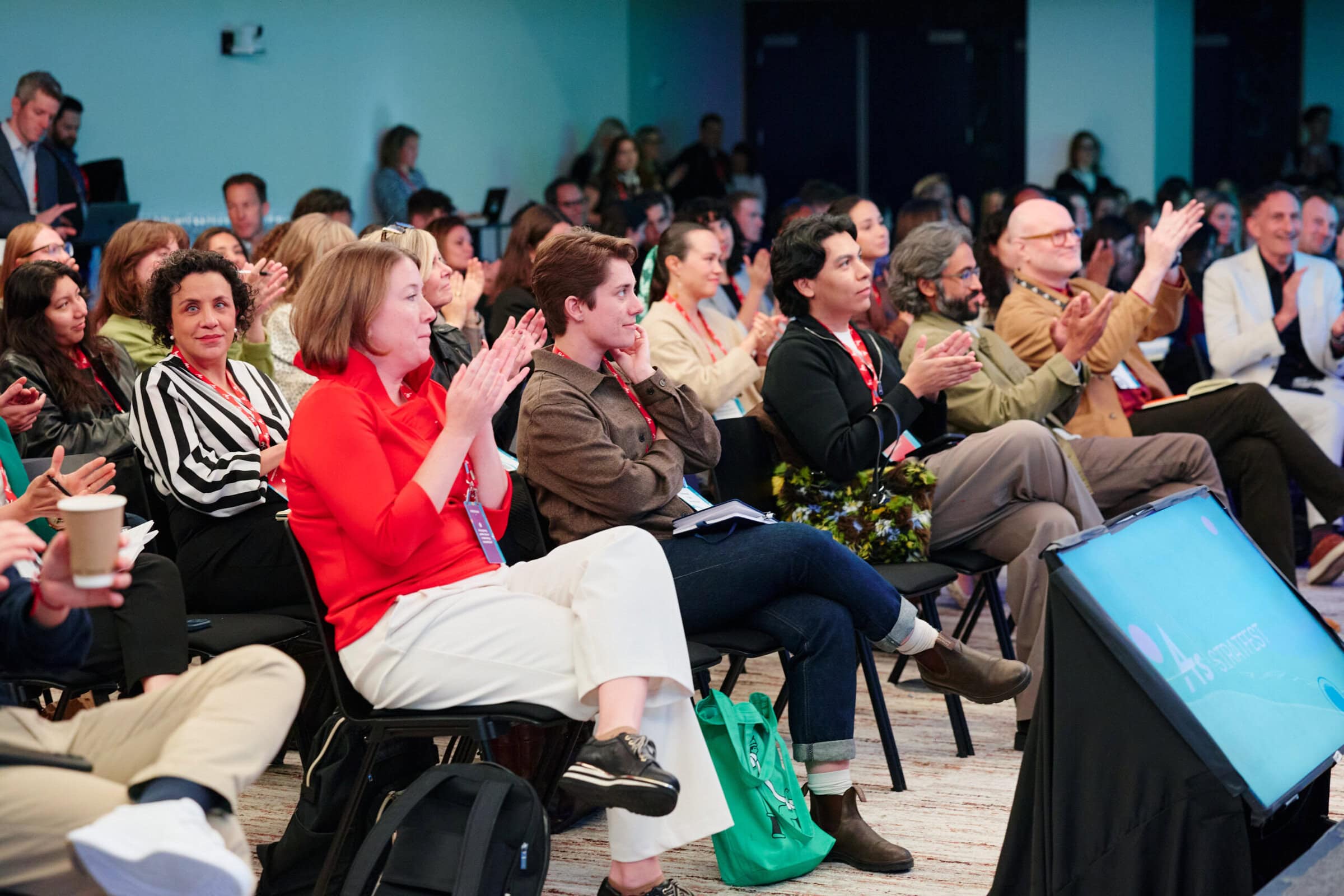
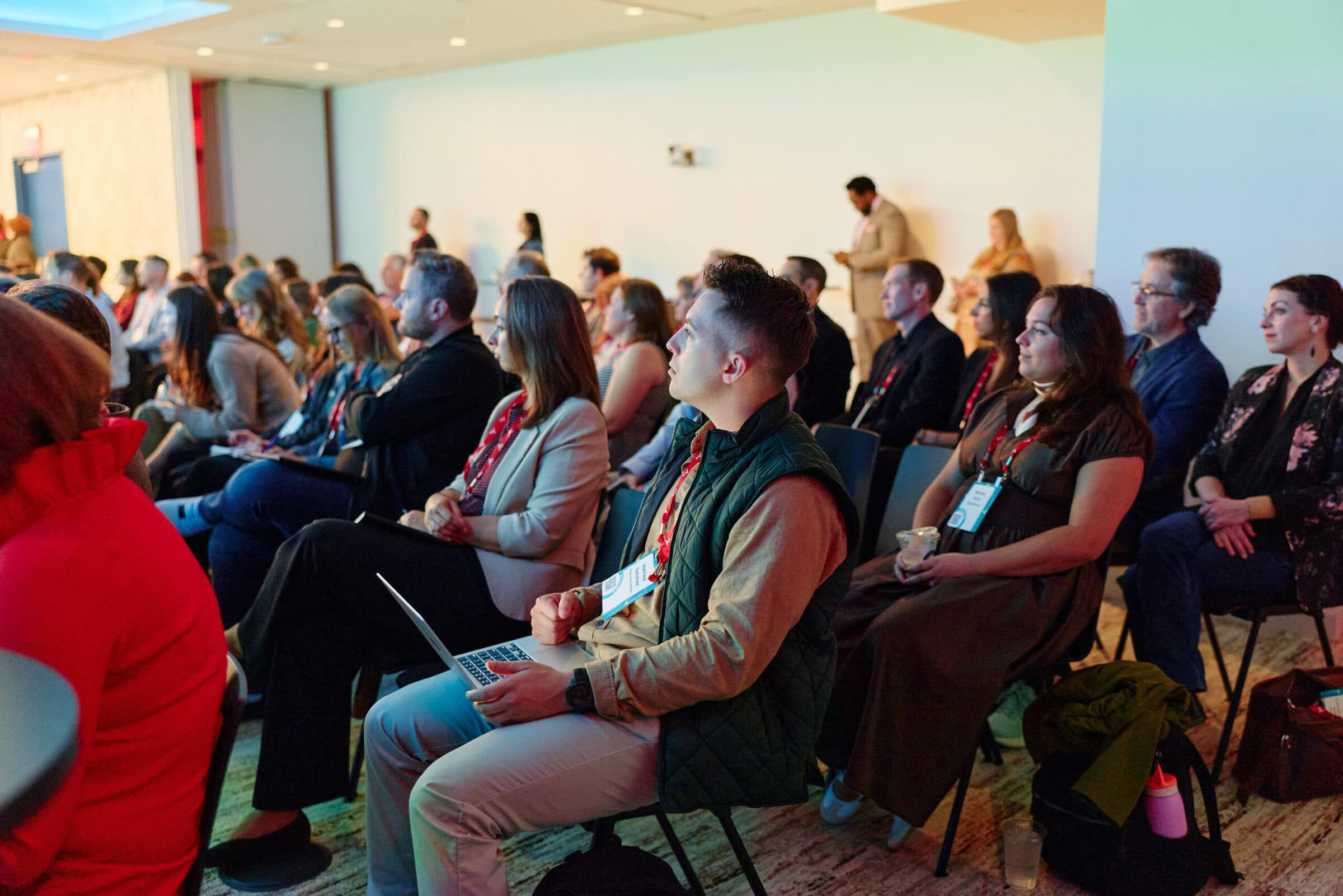
On October 6, StratFest 2026 challenged strategists to take a deeper look at the people, behaviors and assumptions shaping their work.
Christopher Owens had spent years building his strategic judgment. Then he encountered research that challenged some of the practices he had learned and taught.
“I wanted the evidence to support my experience. I was not as willing to have my experience be informed by the evidence.”
The TRG Executive Strategy Director and 2026 Jay Chiat Awards Visionary Strategist put a familiar professional tension into words. Experience helps us recognize an opportunity. It can also make us too quick to decide what we are seeing.
That tension ran through StratFest 2026. Under the theme “Bright Spots: Track the Signals. Own the Shifts.” the 4As brought strategists together to examine where progress is happening and what deserves their attention next.
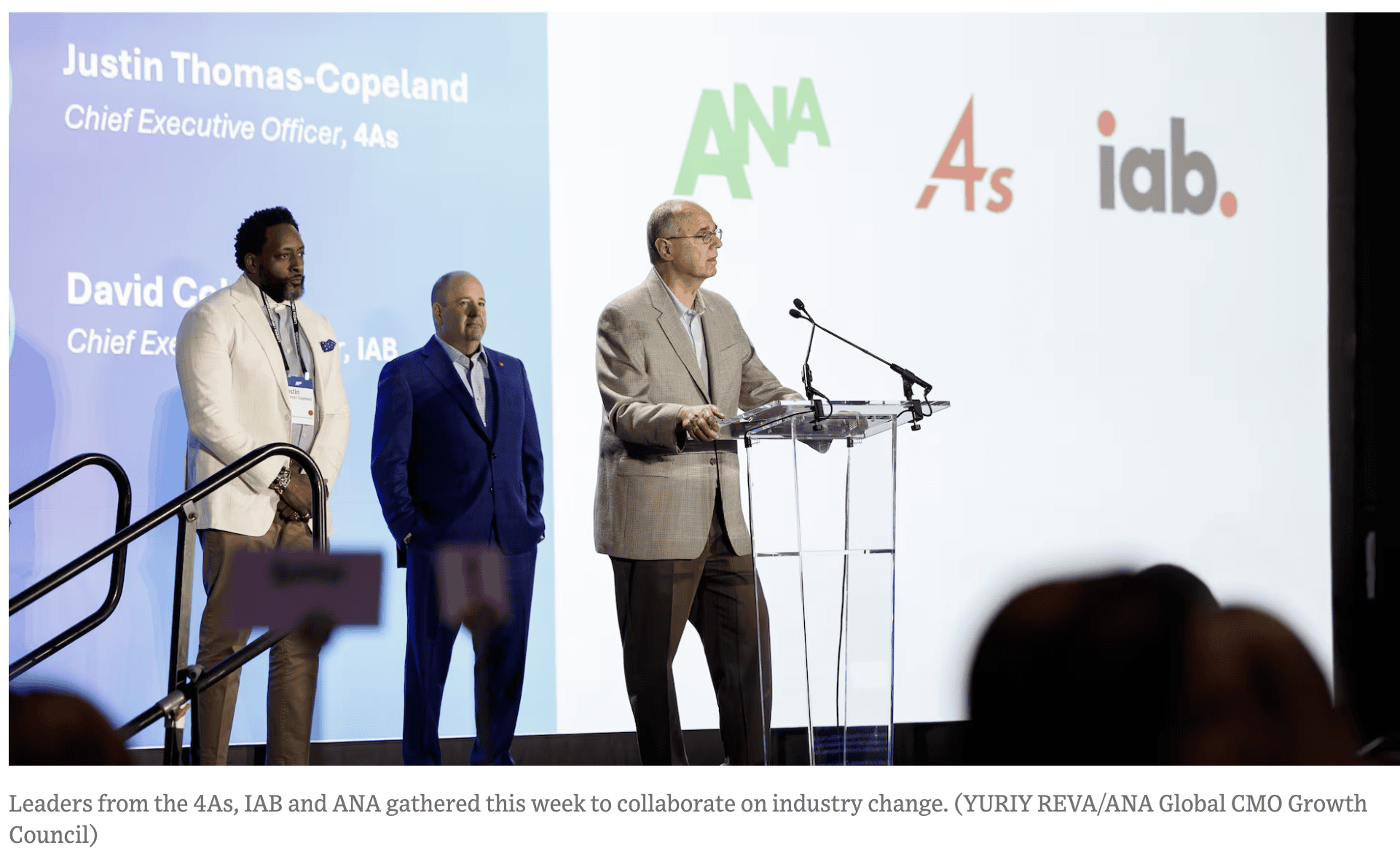
4As CEO Justin Thomas-Copeland framed the responsibility:
“You bring the curiosity to find those signals and the judgment to make sense of all of them.”
Emcees Christopher Ferrel, Chief Strategy Officer at TRG and Co-Chair of the 4As Strategy Committee, and Andy Goldsmith of the 4As connected those questions across the day. Ferrel described bright spots as “uncommon behaviors that lead to unusually good outcomes.”
Finding them starts with being willing to look beyond the explanation you already have.
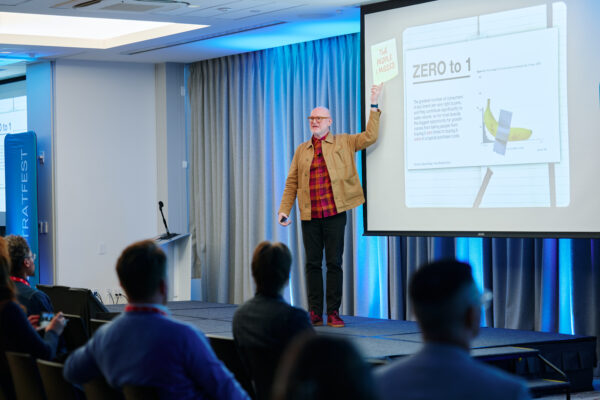
Christopher Owens at StratFest
Pay attention to the occasional buyer
Owens asked strategists to consider how much of their understanding comes from a brand’s most enthusiastic customers. Occasional buyers can reveal something different: when the brand comes to mind, what makes it easy to choose and why another option wins.
Adam Roberts from 4As partner Simpli.fi approached the same challenge through the lens of burger consumption. His foot-traffic analysis examined people visiting one brand and those visiting several. Seen through a single brand’s data, someone might look loyal. A wider view could reveal a much more varied routine.
Together, the sessions posed a useful question for the next brief: how well do we understand the circumstances around a purchase?
A customer’s affection for a brand is one part of the story. Their location, available options and reason for buying may explain the next decision more clearly. Research becomes more useful when it helps the team see the context.
Recognize what makes people participate
Some signals emerge when people come together.
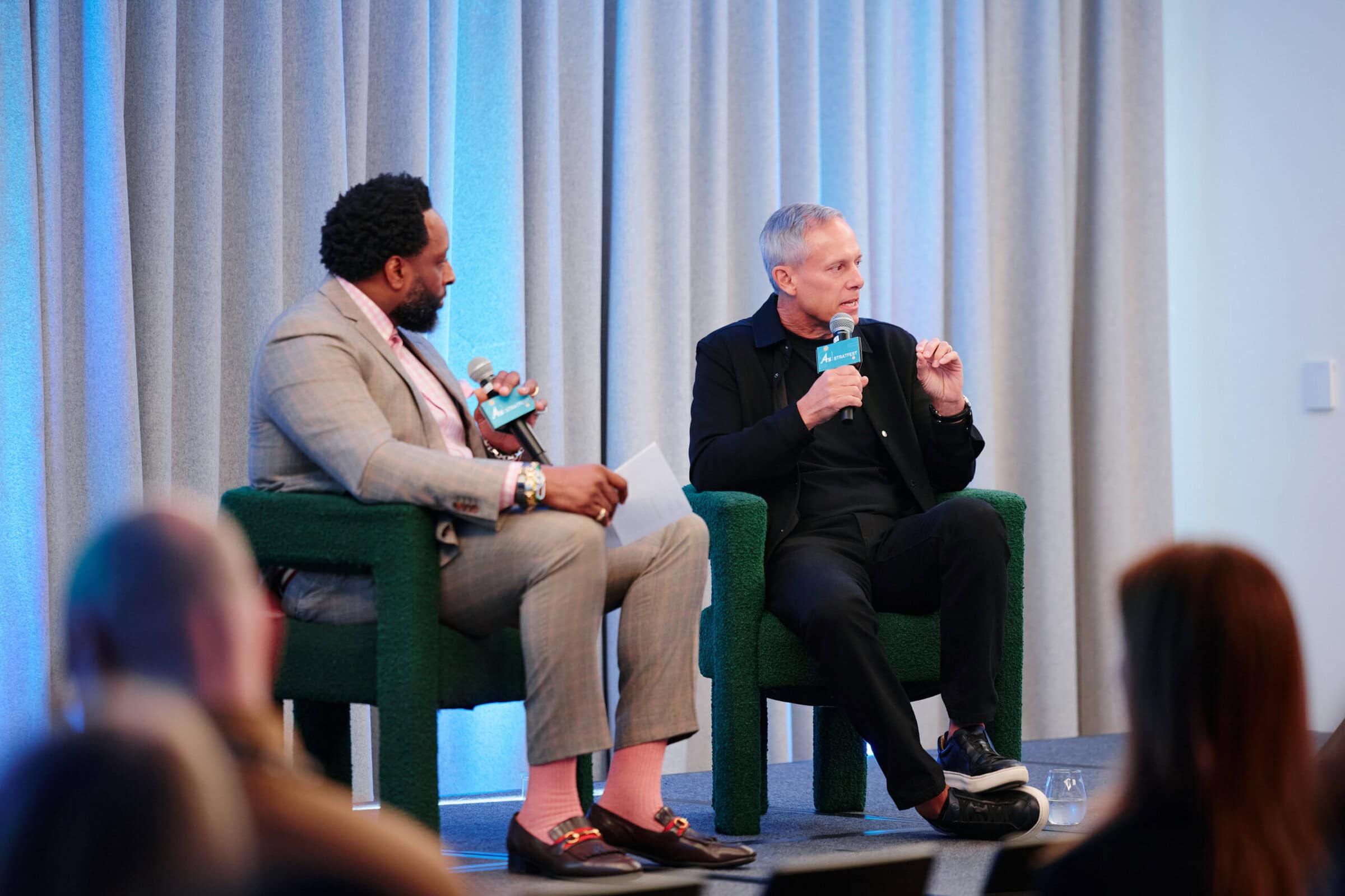
In conversation with Justin Thomas-Copeland, Chris Meyer, CEO of Project Worldwide, explored experiential marketing as a way to understand participation and build human connection. His point extended beyond the people physically attending an event.
“You are influencing an ecosystem around a brand.” – Chris Meyer
An experience can connect with what people watch, share and discuss elsewhere. Understanding why they participate helps explain the value behind the visible activity.
Lauren Ingerman of Amazon Ads brought the discussion into another everyday situation: making a purchase while feeling uncertain. Her session explored how consumers reassess value and reliability and what brands can do to help them feel confident choosing.
As a 4As partner, Amazon Ads brought members research that sharpened a practical question: what doubt does this communication need to resolve?
Alix Tyler of Meta, also a 4As partner, examined the trust behind creator-led discovery. The strategic opportunity depends on why an audience listens to a particular person and how that relationship helps someone move toward a decision.
Across these conversations, trust became something a brief needs to address in human terms. What makes someone willing to join in, listen or buy?
Give people something they can feel and act on
Michael Fanuele, Founder of Talk Like Music and former Chief Brand Officer at Shake Shack, brought the question back to the strategist’s own work.
An extensively researched recommendation still needs to inspire the people who will support and deliver it. The way an idea is presented can help them recognize its possibility.
“You show up with the lightness of your idea, not the burden of your argument.”
– Michael Fanuele
That demands something significant and foundational of the craft. The strategist’s thinking must make the direction feel clear and give the idea room to energize the team.
The workshop agenda offered further ways to examine that responsibility. Albert Thompson addressed meaningful innovation, Ashley Richardson-George explored cultural relevance and Diana Kelter focused on systems thinking. Basil Fraysse and T.S. Kelly addressed synthetic data, while Paul Ruscoe’s virtual workshop examined brand decline.
The value of those perspectives sits in the questions they bring to a live assignment. As one attendee put it: “The content was consistently relevant to the strategy discipline, and I love that it was delivered from various perspectives.”
Five takeaways for your next brief
- Question an inherited assumption. Examine the consumers who engage with the brand occasionally.
- Study the buying context. Ask what makes the brand easy to recall and choose on a given occasion.
- Investigate the motivation behind activity. Add conversations and observation to what your dashboard shows.
- Define the factors behind confidence and trust. Identify what could hold back participation or purchase.
- Make the direction easy to act on. Give the team a clear opportunity and enough room to explore it.
Part 2 explores what happens inside an agency once a promising signal has been found.
Get StratFest 2026 on-demand to hear the thinking behind these takeaways. ($99 for all sessions)
Already registered? Revisit a session with a current brief in mind. (Free)
Resources:
Suggested by Christopher Owens
- Most Marketing Is Bad Because It Ignores the Most Basic Data — Tom Roach
- Eat Your Greens: Fact-Based Thinking to Improve Your Brand’s Health — Wiemer Snijders (ed.) — APG official book page
- How Brands Grow — Byron Sharp — Book
- How Not to Plan: 66 Ways to Screw It Up — Les Binet & Sarah Carter — APG official book page
Related:
StratFest Sees Strategy at the Center of the Marketing Engine – Indie Agency News